Opens in a new tab

Enzymatic PET Recycling Technology for Monomer-Level Circularity

ARCHIBIO uses AI-assisted enzyme engineering and biomanufacturing to convert complex PET waste into recycled monomers.
Explore Our MaterialsRequest Technical Data
Enzymatic PET  Recycling Technology for Monomer-Level Circularity

The Enzyme Behind
Our Recycling Platform

Nature’s Intelligence for PET Circularity
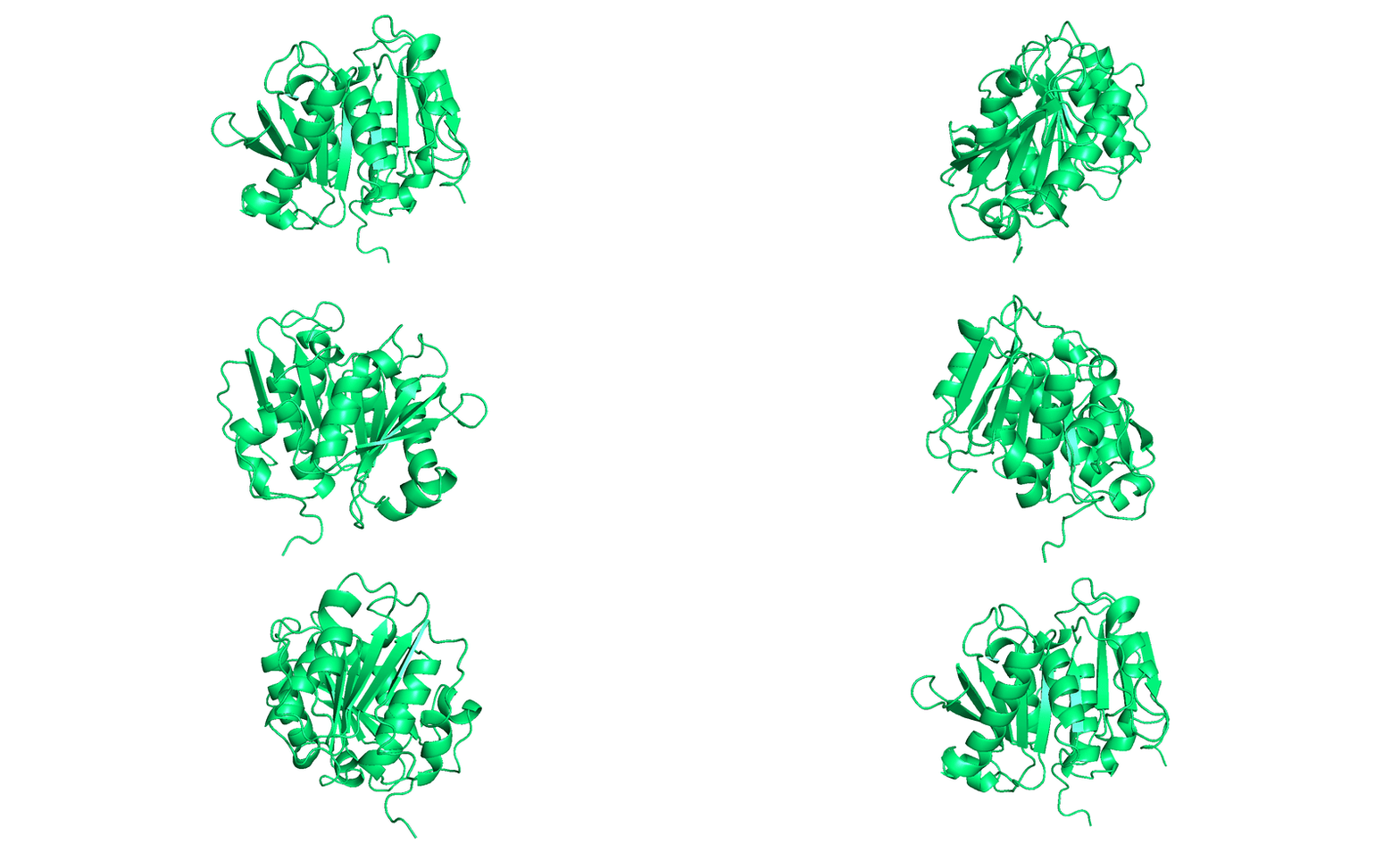
Nature already had the solution. We just had to find it——enzyme.
0 °C
Reaction Temperature
0 Hours
Depolymerization Cycle
0 ×
Enzyme Activity
0 +
Patents Application
The Enzyme Behind  Our Recycling Platform
The Circular Value  of True Enzymatic  Recycling
POLYMERIZATION
PROCESSING
CIRCULATION & USE
SHREDDING
ENZYME PRODUCTION
BY FERMENTATION
PURIFICATION

RB®PET

REGENERATED
MATERIAL

rPTA + rEG

MONOMERS

SUSTAIN
ABLE

CONSUMER
GOODS

WASTE
PET

PROCESSED PET
MATERIAL

BIOLOGICAL
ENZYMOLYSIS

CO2

CO2

LOW-CARBON
REGENERATION

The Circular Value of True Enzymatic Recycling

True PET circularity avoids downcycling. Through molecularlevel regeneration of waste PET, ARCHIBIO converts waste textiles and plastics into traceable, certifiable, highquality recycled polyester for infinite reuse.

Technology Platform

Three Major Technology Platform Systems, Building a Full Chain Innovation Foundation.
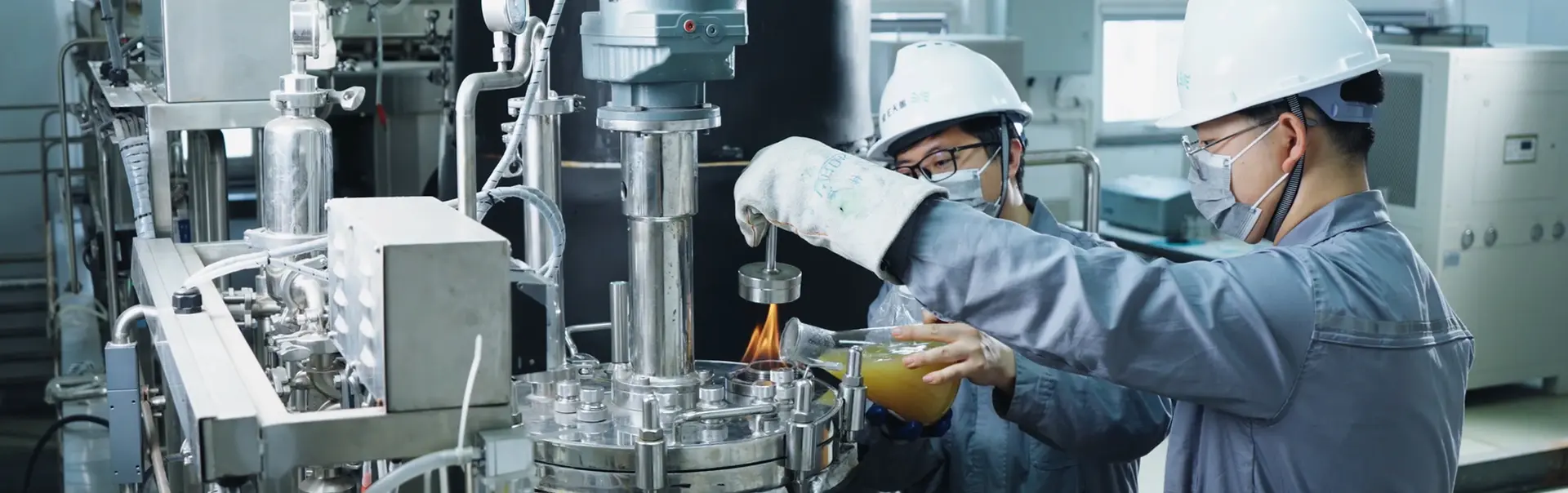
Advanced Research Infrastructure

Technical Collaboration

Work with ARCHIBIO to evaluate PET waste, recycled materials, and closed-loop opportunities.
Technical Collaboration

Closed-Loop System Partnership
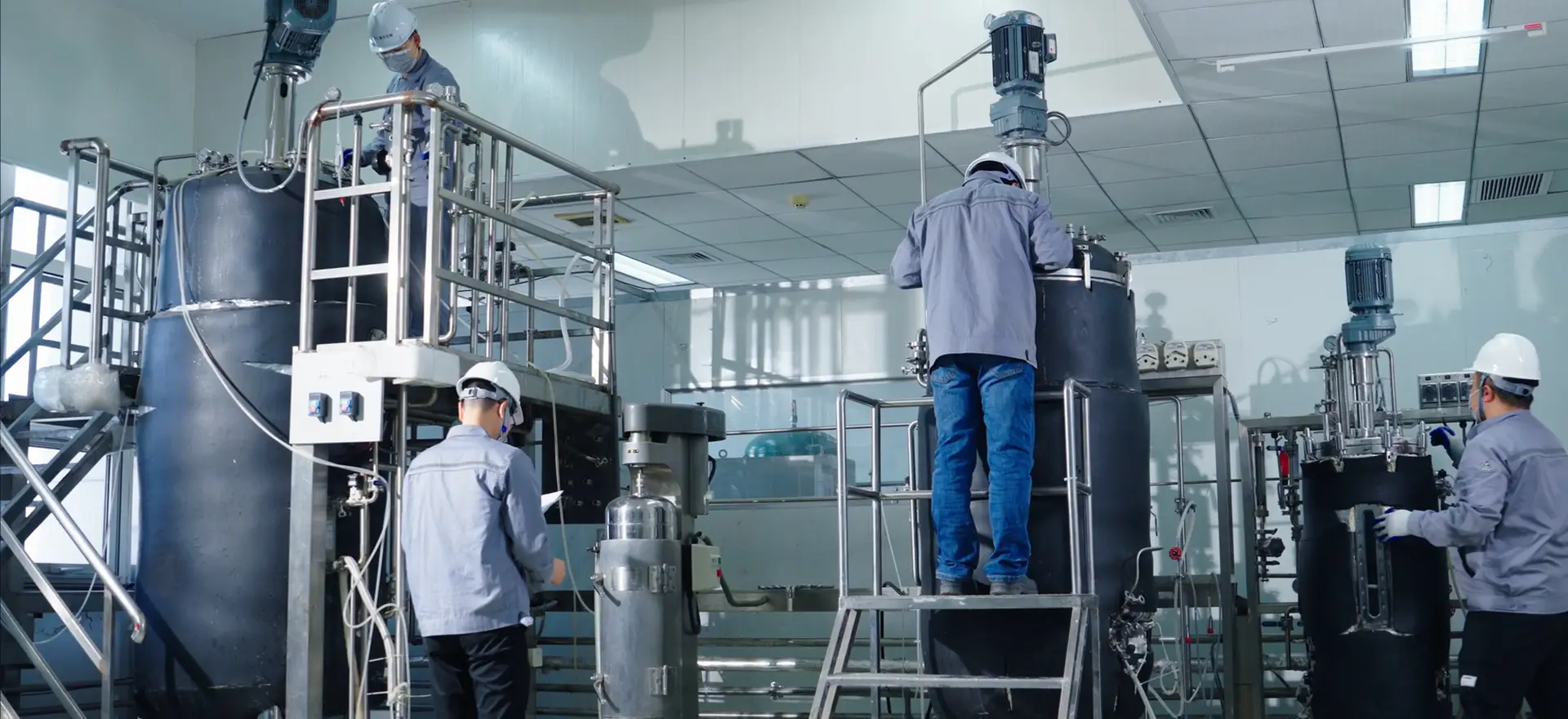
Work with ARCHIBIO to evaluate PET waste, recycled materials, and closed-loop opportunities.
Closed-Loop System Partnership

Technology Advantages

Revolutionary technological innovations reduce humanity’s reliance on fossil fuels and advance our shared vision for global sustainable development.
Talk to a Technical Specialist

Smarter, More Efficient

2,000× improved enzyme activity enables PET depolymerization within eight hours.

Purer, Higher Value

Monomer recovery supports high-quality polyester regeneration without repeated downcycling.

Milder, Greener

Operates at 60°C and atmospheric pressure without added organic solvents.

More Economical, More Scalable

Lower process demands support cost optimization and expansion beyond PET.

Research & Patents

Scientific publications and patented technologies strengthen our independent innovation capabilities.
Research & Patents
Research & Patents
Research & Patents
Research & Patents
Research & Patents
Explore Our Innovation

Start Your Enzymatic Recycling Project

Work with ARCHIBIO to evaluate PET waste, recycled materials, and closed-loop opportunities.
Start Technical EvaluationTalk to Our Team

Technical Questions About Enzymatic PET Recycling

We use engineered enzymes to selectively break PET into RPTA and REG. After purification, these monomers can be repolymerized into RB®PET and other recycled polyester materials.

We evaluate post-industrial textile scraps, post-consumer polyester textiles, colored PET, PET blends, and selected industrial or packaging waste. Every project begins with a feedstock assessment.

Mechanical recycling remelts PET, while our process depolymerizes it into RPTA and REG for purification and repolymerization. Engineered enzymes selectively target PET under mild, aqueous conditions, supporting complex textile waste that may be difficult to process mechanically.

Our enzymatic process operates at around 60°C and atmospheric pressure, with PET depolymerization completed within eight hours under defined conditions. We also operate a 300 t/y enzymatic RPTA production line, validating the process beyond laboratory and pilot testing.

We can provide available samples, technical data, certification documents, and selected third-party reports. We will help you find the right information.